18 November 2025

Carnivorous sponges, “zombie worms” and coral reefs discovered in the Antarctic Ocean

18 November 2025
Article reserved for DN Plus members

Vuoi salvare articoli per un rapido accesso?

Sali a bordo della community DN Plus.

Per te, un'area riservata con: approfondimenti esclusivi, i tuoi articoli preferiti, contenuti personalizzati e altri vantaggi speciali

Accedi Registrati
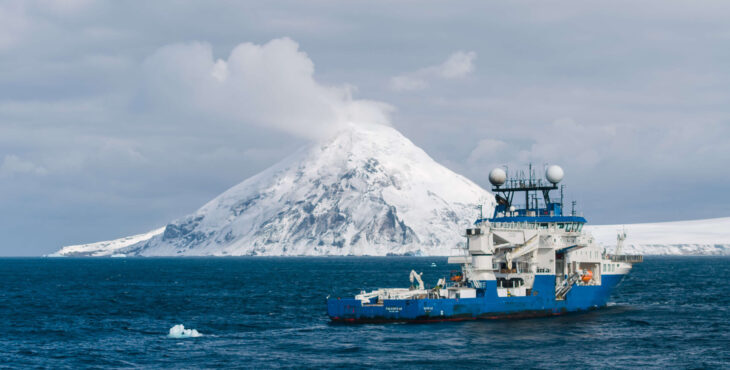
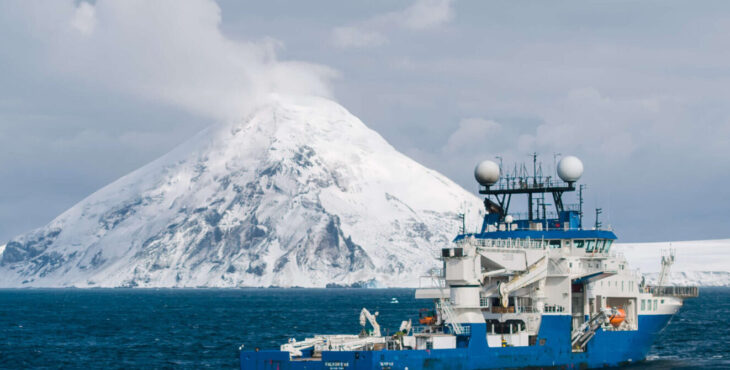
Carnivorous sponges, “zombie worms” and coral reefs discovered in the Antarctic Ocean
3 minutes of reading

Imagine a little pink bush with tentacles ending in little bubbles, apparently innocuous, but in fact dangerous weapons covered in tiny hooks. This is what a newly discovered species of carnivorous sponge looks like, discovered during the scientific expedition to the South Sandwich Islands. Its name is Chondrocladia sp. Nov. and its predatory behaviour is a clear contrast to the gentle, passive, filter-feeding undertaken by most sponges.
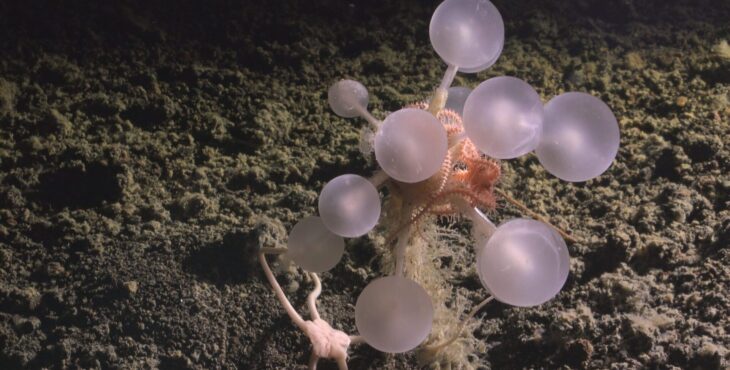
New Carnivorous death ball sponge found by the ROV SuBastian at 3601 metres at the Trench North dive site, east of Montagu Island. [Source: The Nippon Foundation-Nekton Ocean Census/Schmidt Ocean Institute © 2025]

Among the other species discovered are starfish, gastropods, bivalves and “zombie worms” (Osedax sp.) part of the polycaete class, these worms have no mouth or gut and rely on symbiotic bacteria to break down fats inside the bones of whales and other large vertebrates.  Confirmation of these new species, after analysing samples from the expedition came during the Southern Ocean Species Discovery Workshop hosted in August by Universidad de Magallanes, Punta Arenas, Chile.

Other discoveries

In addition to new species, the collaborative and multidisciplinary expeditions made other new discoveries. Highlights include new hydrothermal vents at ~700 m with chemosynthetic communities, vibrant coral gardens, and evidence of explosive undersea volcanism. In addition, they acquired the first confirmed footage of a 30cm juvenile colossal squid.
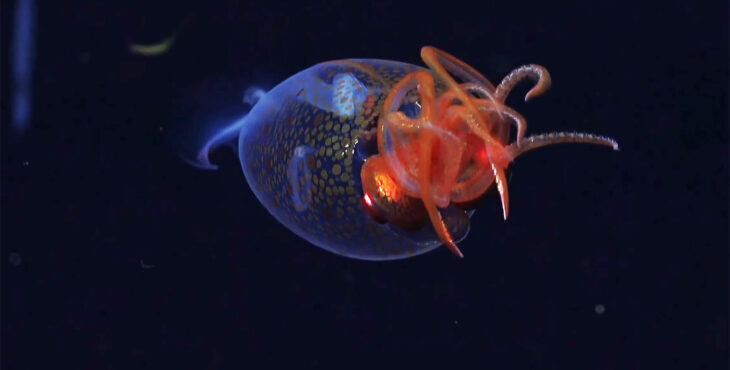
Juvenile Colossal squid [Source: Schmidt Ocean Institute]

The scientific expedition

The scientific expedition, which lasted 33 days, took place between February and March 2025, and was a collaborative effort between different research institutes and foundations. The main ones were the  Nippon Foundation and Nekton Institute, founders of the Ocean Census, and the Schmidt Ocean Institute.  The mission objectives were clear: carry out multidisciplinary research, discover new species, exchange knowledge and get the public involved.
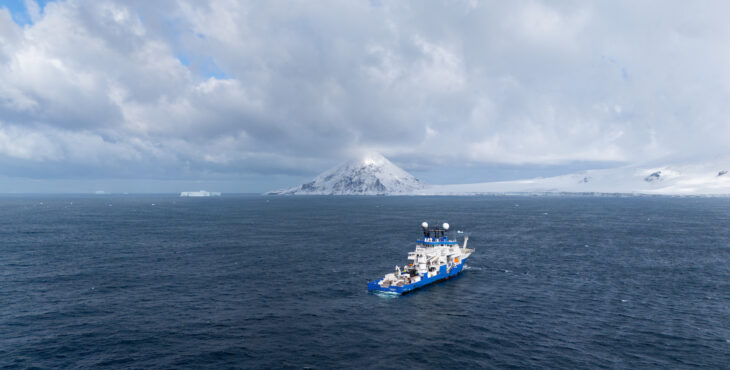
The scientific expedition heading to the South Sandwich islands [Source: Ocean Census]

The expedition was led by Michelle Taylor (University of Essex), president of the Deep-Sea Biology Society and senior professor at the University of Essex. At the same time, Jenny Gales led the GoSouth initiative, a partnership between the University of Plymouth, GEOMAR and the British Antarctic Survey. The aim of this multidisciplinary research was to examine the sides of underwater volcanoes to evaluate the influence of volcanic and seismic activity on the marine ecosystem.

Why is it important?

The Southern Ocean – explains Dr. Taylor –  remains profoundly under-sampled. To date, we have only assessed under 30% of the samples collected from this expedition, so confirming 30 new species already shows how much biodiversity is still undocumented. By coupling expeditions with species discovery workshops, we compress what often takes more than a decade into a faster pathway while maintaining scientific rigour by having world experts involved.”
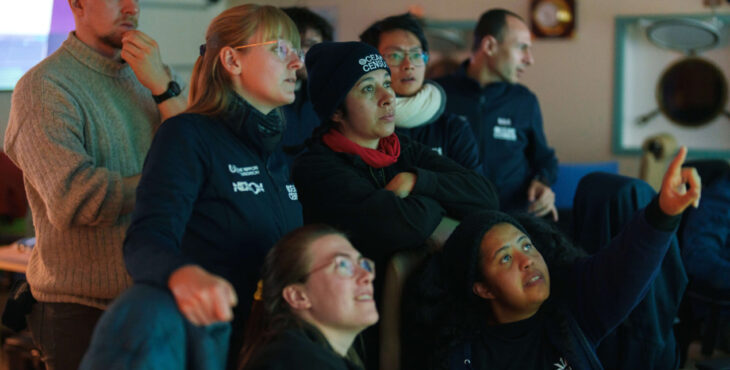
Research team [Source: Ocean Census]

Accelerating species discovery – adds Mitsuyuki Unno, Executive Director of The Nippon Foundation, and leader of the Ocean Census with the Nekton Foundation –  is not a scientific luxury, it is essential for public good.  Ocean Census is a program with the goal to reveal the unknowns of our world.  Through its expeditions, we have seen another groundbreaking species discovery that benefits the world’s scientists, policymakers and communities.


by Giuditta Lastrico

Lascia un commento

Il tuo indirizzo email non sarà pubblicato nel commento. I campi con * sono obbligatori.

Il lettore è responsabile a titolo individuale per i contenuti dei propri commenti. In alcun modo le idee, le opinioni, i contenuti inseriti dai lettori nei commenti ad articoli e notizie rappresentano l’opinione dell’editore, della redazione o del direttore responsabile.
Il lettore non può pubblicare contenuti che presentino rilievi di carattere diffamatorio, calunniatorio, osceno, pornografico, abusivo o a qualsiasi titolo illecito e/o illegale, né assumere atteggiamenti violenti o aggredire verbalmente gli altri lettori.
La segnalazione di eventuali contenuti diffamatori, offensivi o illeciti e/o illegali può essere effettuata all’indirizzo e-mail info@ligurianautica.com, specificando il contenuto oggetto della segnalazione attraverso link diretto. La redazione provvederà a verificare il contenuto e prenderà eventuali provvedimenti nel più breve tempo possibile.