Oil leak from WWII shipwreck: state of emergency in Micronesia

Vuoi salvare articoli per un rapido accesso?
Sali a bordo della community DN Plus.
Per te, un'area riservata con: approfondimenti esclusivi, i tuoi articoli preferiti, contenuti personalizzati e altri vantaggi speciali
Accedi RegistratiThe leak appears to have originated from the Rio de Janeiro Maru, a Japanese ship sunk during Operation Hailstorm
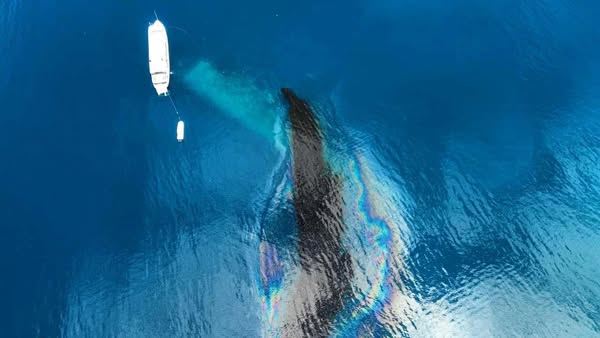
The leak appears to have originated from the Rio de Janeiro Maru, a Japanese ship sunk during Operation Hailstorm
The President of Micronesia, Wesley Simina, has declared a state of emergency, after an oil leak started spreading from a World War Two wreck in Chuuk Lagoon, creating significant risk for marine life, coral reefs and the fishing economy of the country. The leak appears to have originated from the Rio de Janeiro Maru, a Japanese ship sunk during Operation Hailstone, a battle fought between American and Japanese in 1944.
“Oil spills from these wrecked ships is threatening our fishing industry, communities and food security,” stated Simina, asking for urgent international assistance during his speech at the 80th General Assembly of the United Nations in New York. “The scope of this crisis – he noted – is far more than Micronesia can handle alone. As we celebrate the 80th anniversary of the end of the war, we are asking the international community to work with us to turn this wartime inheritance into an opportunity for cooperation.”
Alexander R. Narruhn, governor of Chuuk, has already asked for help from the United States and Japan in order to protect residents from the toxic remains and contaminated water. “The delicate marine ecosystem of the Chuuk Lagoon, which includes coral reefs and a number of different fish species – explains the International Oil Spill Organization – is highly vulnerable to oil pollution and the local communities, who are dependent on the lagoon for food, are risking the loss of supplies and food security.”
In the meantime, the United Nations are conducting a quick survey and mobilising resources to acquire skilled personnel with the right equipment, as there is critical need of immediate international action to contain the leak, provide emergency funding for the clean up and carry out a risk assessment for potential pollution coming from the other wrecks in the area. Oil leaks from sunken ships represents a persistent risk fro marine life in the Pacific Ocean, as there are around 1200 wrecks at risk of leaking.
During the General Assembly in New York, Simina also discussed the other challenges that the island region in the Pacific is forced to face. “For Micronesia – he declared – the potentially damaging impacts are constant: high tides, violent storms, drought, salt water on land and severe rainfall can devastate our 607 islands. During 2024 we had to face periods of severe drought, forcing us to declare a state of emergency, proof of how quickly circumstances can change into an emergency situation. We need to combine science with action, because small island nations live with the climate crisis on a daily basis.”
Simina has insisted that reducing CO2 emissions become a global priority, because slowing down the warming oceans made give us time to build a future based on clean energy. He then underscored how more effort needs to be made to combat plastic pollution and reduce the use of fossil fuels. “But no country – he concluded – can face this challenge alone. This requires us all to work together.”
Photo source: Chuuk State