Microplastics in the air: are we breathing in what’s in the water?
The ocean could be releasing minuscule plastic fragments into the atmosphere which are carried on the wind and fall back to the ground: a nearly invisible cycle regarding health and the environment

Vuoi salvare articoli per un rapido accesso?
Sali a bordo della community DN Plus.
Per te, un'area riservata con: approfondimenti esclusivi, i tuoi articoli preferiti, contenuti personalizzati e altri vantaggi speciali
Accedi Registrati
Microplastics in the air: are we breathing in what’s in the water?
The ocean could be releasing minuscule plastic fragments into the atmosphere which are carried on the wind and fall back to the ground: a nearly invisible cycle regarding health and the environment
Vuoi salvare articoli per un rapido accesso?
Sali a bordo della community DN Plus.
Per te, un'area riservata con: approfondimenti esclusivi, i tuoi articoli preferiti, contenuti personalizzati e altri vantaggi speciali
Accedi Registrati
Articolo riservato agli utenti registrati
Sali a bordo della community DN Plus.
Per te, un'area riservata con: approfondimenti esclusivi, i tuoi articoli preferiti, contenuti personalizzati e altri vantaggi speciali
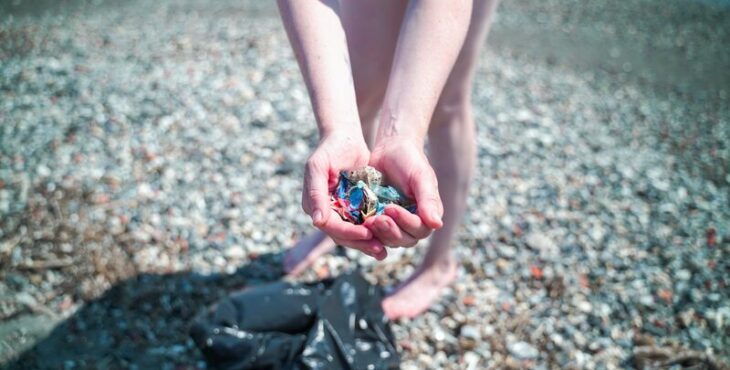
Accedi RegistratiFor a long time, we believed that microplastics were a problem limited to the oceans, rivers or beaches. Now we know that this is not the case. Studies carried out over the past few years have detected plastic particles in the atmosphere, suspended like fine dust and carried by the wind over long distances. The presence of microplastics has been confirmed in the mountains and in remote areas, far from the direct source of the pollution. This means that plastic does not remain where it has been disposed: it circulates and moves following natural processes.
The sea is releasing particles into the air
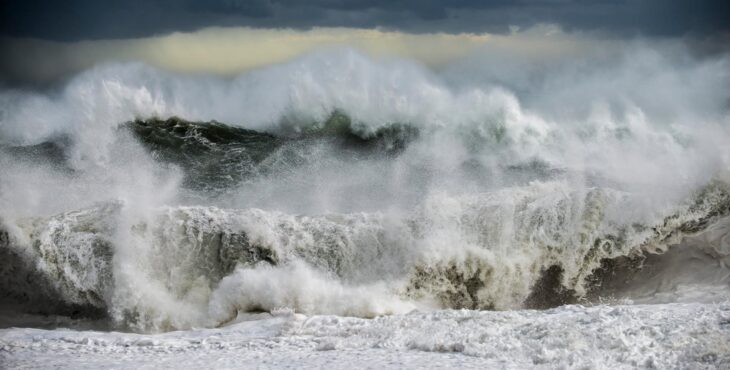
The ocean is a large contributing factor to the phenomenon. When the waves break, they create marine aerosol: minuscule droplets that contain salt, micro-organisms and other particles present on the water’s surface. A number of studies have discovered microplastics and microfibres in this mixture. The droplets can rise to different heights, carried but the wind and then deposited on the land, or back into the water, closing a cycle that includes the ocean and atmosphere.
A voyage across continents
The presence of microplastics in the air is not just limited to coastal areas. Analyses carried out in the mountains like the Pyrenees and Alps have detected daily deposits of particles transported by atmospheric circulation. Microplastics have been found in samples of Arctic snow and on remote islands far from urban centres. This implies the air movement could be transporting plastics for hundreds or thousands of kilometres, proving that this is a global, not local, issue.
From the atmosphere to the human body
The presence of microplastics in the air leads to the very legitimate question of health. The larger particles tend to stop in the upper respiratory tract, but the smallest, especially nanoplastics, can reach deeper parts of the lungs. Preliminary studies have detected microplastics in human tissue, including placenta and some heart tissue samples. Research is ongoing and there are no definitive conclusions as of yet on the long term effects, but a number of study groups have observed possible inflammatory issues and cellular stress, aspects that require further study.
The role of weather conditions and the climate
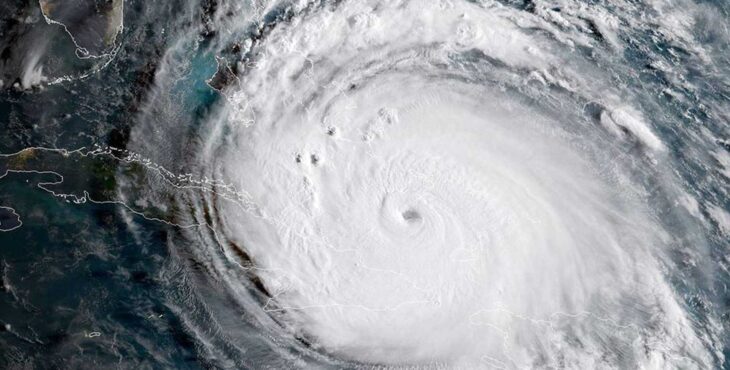
Certain environmental factors could be favouring the spread of microplastics in the air. A warmer ocean tends to produce more evaporation, and therefore more aerosol, while storms and strong tides could lead to a higher amount of particles on the surface. Even accelerated fragmentation of plastic waste caused by UV rays and heat can increase the production of tiny particles, which can be easily transported by the atmosphere.
A cycle we can understand and reduce
The discovery of microplastics in the air adds another important piece to our understanding of plastic pollution. This is not a separate phenomenon, but a part of a cycle that connects the oceans, atmosphere, land and human activities. Reducing plastic waste, improving waste management and supporting scientific research are fundamental tools to face a problem that interests both ecosystems and health.