Tourist Ports 3.0 – Communicating the Experience, not just the Berth
New strategies to attract yacht owners, travelers, and high-end clients

Vuoi salvare articoli per un rapido accesso?
Sali a bordo della community DN Plus.
Per te, un'area riservata con: approfondimenti esclusivi, i tuoi articoli preferiti, contenuti personalizzati e altri vantaggi speciali
Accedi Registrati
Tourist Ports 3.0 – Communicating the Experience, not just the Berth
New strategies to attract yacht owners, travelers, and high-end clients
Vuoi salvare articoli per un rapido accesso?
Sali a bordo della community DN Plus.
Per te, un'area riservata con: approfondimenti esclusivi, i tuoi articoli preferiti, contenuti personalizzati e altri vantaggi speciali
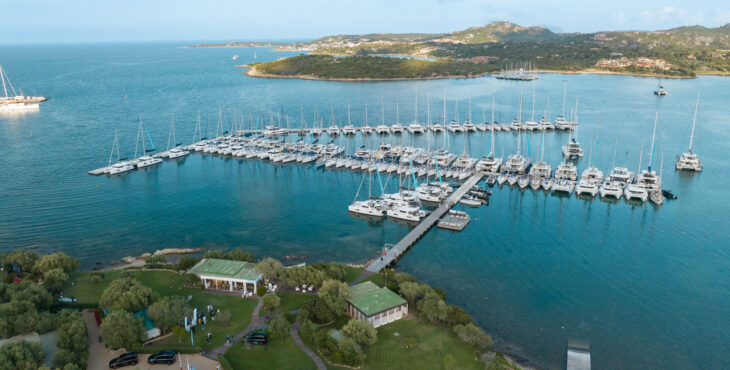
Accedi RegistratiIn contemporary nautical marketing, a tourist port is no longer just a docking point, it’s a destination, a community, a brand experience. Gone are the days when a price list, a map, and a few photos of the docks were enough to attract visitors. Today, the challenge is to tell a story that inspires and connects.
From Port as Infrastructure to Port as Brand
The international yacht owner and the experiential traveler want to be part of a narrative, not just a transaction. The port is often the first point of contact with a territory the moment when perception turns into emotion. It represents the destination’s essence and acts as its ambassador at sea.
From Berth to Experience: the 3.0 Transformation
Tourist marinas embracing the 3.0 model are focusing on two strategic pillars: digitalization and experiential storytelling. Communicating a port today means building a true brand experience that inspires loyalty and belonging.
The key strategies include:
- Showcasing the territory, local cuisine, traditions, art, nature, and events.
- Highlighting premium services, concierge, spa, gourmet dining, exclusive events.
- Creating high-value content, editorial and visual storytelling that speaks to both heart and mind.
- Building a year-round community, active both online and offline, beyond the summer season.
Marketing a tourist port today is closer to managing a boutique hotel or a luxury resort than to promoting infrastructure. The focus is not the berth, but the experience as a whole.
The new Sea Traveler: Personalization and Authenticity
Those who choose high-end ports are no longer looking only for efficiency — they seek identity and personalization. International yacht owners, luxury charter families, professional skippers, and yacht managers all share a common expectation: to be recognized.
They ask:
- Where can I dine on board with a local chef?
- What cultural events are happening nearby?
- Can I book a private excursion or get a courtesy car?
- Does this marina have a distinctive tone of voice, a clear identity?
True value lies not in the meters of quay, but in the story that accompanies the experience.
Technology + Humanity: the new Course of Engagement
Many ports are now investing in digital tools: CRMs, dockside service apps, smart booking platforms, interactive maps. Yet technology alone isn’t enough. The real magic lies in combining digital innovation with human warmth. A personalized welcome message, a follow-up after berthing, a private invitation to return these are the gestures that turn service into relationship, and relationship into loyalty. In the sea of experiential marketing, technology is the sail but humanity remains the wind.
Best Practices: when the Port becomes a Brand
Several European marinas are already charting this new course.
Porto Sole Sanremo: positioned as a premium destination, it communicates elegance and sophistication. Its Instagram and LinkedIn channels offer a 360° experience of the port — from exclusive views to tailored services. The website mirrors this identity with immersive storytelling and refined visuals.
Porto di Scarlino, Tuscany: a narrative ecosystem blending events, lifestyle, and visual storytelling. Instagram celebrates nature and exclusivity, while LinkedIn conveys professionalism and partnerships. The website balances practical information with emotional narrative.
Port Vell, Barcelona: a reimagined marina that feels like an exclusive club. Its digital presence blends luxury, accessibility, and community. Instagram showcases a cosmopolitan lifestyle, LinkedIn focuses on business opportunities, and the website reflects elegance and functionality.
In all these cases, the marina becomes a brand, an experience, a symbol of lifestyle.
Hospitality + Identity: the Compass for the Future
Today’s port managers must think like luxury hospitality brands: designing customer journeys, curating experiences, building strategic partnerships, and crafting consistent narratives.In a market where every destination competes for attention, the difference lies not in infrastructure but in how you tell your story. Like every great voyage, what remains in memory is not the arrival, but the experience along the way.
A port is much more than a berth: it’s an invitation to stay, to return, to share. The future of tourist ports will be defined by their ability to become emotional destinations and living communities, where technology and hospitality merge to create memorable experiences. After all, the sea cannot merely be described — it must be lived. And every marina, when told with vision and voice, can become an emotion to remember.